
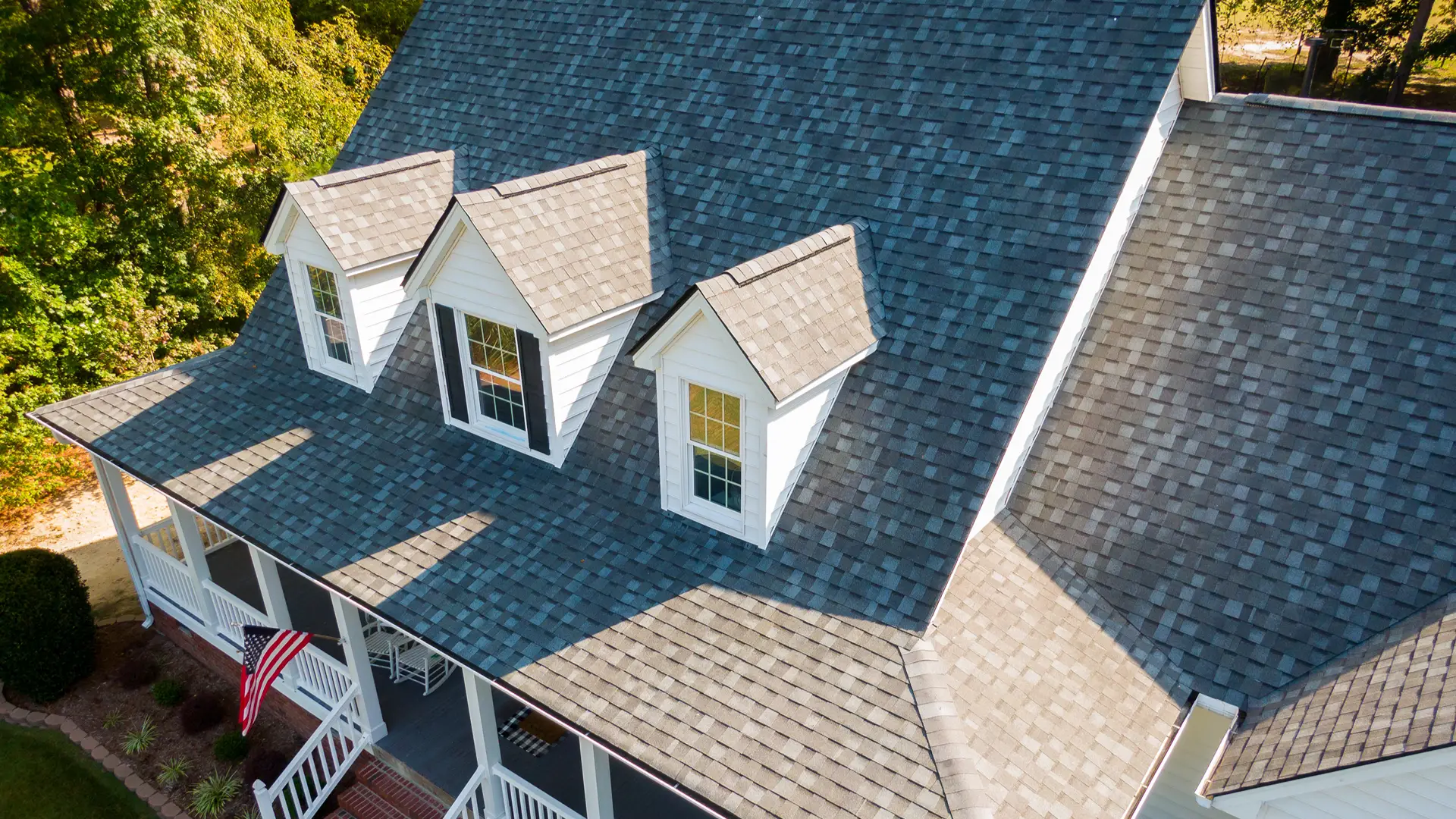
Offering New Construction Roofing Systems to Suit Your Needs
If you’re looking for new construction roofing services, turn to the professionals at Alpha Omega Construction Group, Inc. for the products and services you need. Since our founding in 1992, we have been committed to providing homeowners throughout the region with the new roof construction services they need, and we’d be happy to provide you with the new roof installation services you need for a new construction home. Proudly serving homeowners and construction companies throughout the Southeast, Alpha Omega Construction Group, Inc. is the company you can rely on for all of your new construction roofing needs.
Why Choose Us for Your New Construction Roofing Needs
When planning a new construction home, one of the most important elements to consider is the roofing system. Not only does your roof provide one of the first lines of defense to protect your property against inclement weather, but it can also go a long way in contributing to your home’s curb appeal. Choosing the right roof for your new construction project is essential. That’s why Alpha Omega Construction Group, Inc. is pleased to offer a wide range of roofing systems to suit your preferences. For new construction roofing projects, we offer the following:
- Asphalt shingle
- Slate
- Clay tiles
- Waterproof flat roofs
- Metal shingles
- Standing seam metal
- Cedar shingle
- Copper
Whether you know exactly what type of roofing system you’d like for your new construction roof or you need professional assistance finding the right option for your project, Alpha Omega Construction Group, Inc. is here to provide you with the new construction roofing products and installation services that perfectly meet your needs.
Get Started on Your New Roof Construction Project
If you’d like more information on our new construction roofing services or are ready to get started on a project for your property in the Southeast, contact Alpha Omega Construction Group, Inc. today. We proudly serve homeowners throughout the Southeast.
FAQs
How do I choose the best roofing material for my new construction home?
Selecting the right roofing material for a new construction home involves balancing appearance, durability, budget, and long-term performance. Many homeowners begin by considering the architectural style of the home and the look they want to achieve. Materials such as asphalt shingles, metal roofing, and other specialty products each offer distinct visual styles that can complement different types of homes.
Durability and lifespan are also important factors. Some roofing materials are designed to last longer or provide stronger resistance to heat, moisture, and wind. Energy efficiency may also influence the decision, especially if you want a roof that helps regulate indoor temperatures.
We typically review material options with homeowners and builders to explain the advantages of each choice. This helps ensure the roofing system fits the design of the home while providing dependable protection for many years.
Do you work directly with my builder or general contractor, and when should roofing be scheduled in the build timeline?
Yes, we regularly coordinate with builders and general contractors throughout the construction process. Roofing is an important step in the timeline because it helps protect the structure once framing is complete.
In most new construction projects, roofing installation takes place after the framing and roof decking are finished but before interior work progresses too far. Once the roof system is installed and sealed, the home gains a critical layer of protection from weather exposure.
Communication with the builder helps ensure materials arrive on time and the roofing schedule aligns with the overall construction timeline. This coordination keeps the project moving forward efficiently while maintaining quality standards.
What do you need from me to start a new construction roofing project?
To begin planning a roofing installation for a new construction home, we typically review the building plans and any architectural specifications related to the roof system. These documents help us understand the roof design, slope, ventilation layout, and material requirements.
Homeowners may also provide information about preferred roofing materials, color selections, or any design features they want included. In some cases, the builder or architect will already specify these details, while in others the homeowner may want guidance when making final selections.
Once we have the plans and material preferences, we can prepare recommendations, provide an accurate project estimate, and schedule the installation in coordination with the construction timeline.
What underlayment and waterproofing options do you recommend for our climate?
Underlayment and waterproofing layers play a critical role in protecting the roof deck from moisture. While the outer roofing material provides the primary barrier, underlayment adds an extra level of defense against water infiltration.
Several types of underlayment are available, including synthetic products and specialized waterproof membranes. The best option depends on the roof design, slope, and exposure to weather conditions. High-quality underlayment systems are designed to resist moisture, improve durability, and support the overall lifespan of the roof.
During the planning phase, we review these options and recommend materials that provide dependable protection while complementing the chosen roofing system.
How do you ensure proper attic ventilation on a new build to protect the roof long term?
Attic ventilation is essential for maintaining the health of a roofing system. Without proper airflow, heat and moisture can accumulate in the attic space, which may shorten the life of roofing materials and reduce energy efficiency.
A balanced ventilation system typically includes intake vents near the lower portion of the roof and exhaust vents near the ridge or upper sections. This design allows fresh air to circulate through the attic while removing excess heat and humidity.
During new construction, we review the roof design and ventilation layout to ensure the system is properly balanced. Correct ventilation helps maintain consistent temperatures, reduces moisture buildup, and supports long-term roof performance.
What warranties are available for new construction roofs?
New construction roofs generally come with two types of warranties: material warranties and workmanship warranties. Material warranties are provided by the manufacturer of the roofing products and cover potential defects in the materials themselves.
Workmanship warranties are offered by the roofing contractor and address the quality of the installation. This coverage provides reassurance that the roof was installed according to professional standards.
Warranty coverage can vary depending on the materials selected and the roofing system installed. We review available options with homeowners so they understand what is covered and how warranty protection applies to their new roof.
Are you licensed, bonded, and insured, and what does that mean for my project?
Yes, we operate as a licensed, bonded, and insured roofing contractor. These credentials help demonstrate professionalism, accountability, and compliance with industry standards.
Licensing indicates that the contractor meets the requirements established by regulatory authorities for performing roofing work. Insurance helps protect both the homeowner and the contractor in the event of an accident or property damage during the project.
Being bonded provides an additional layer of financial protection and accountability. For homeowners, working with a properly licensed and insured contractor offers confidence that the project will be handled responsibly and according to established construction practices.
Five-Star Reviews
Read Our Testimonials
Discover what makes Alpha Omega Construction Group, Inc. the Southeast's most reliable choice for industry-leading roofing solutions by checking out testimonials from some of our previous customers.


Trusted by some of the biggest names in the business!


